
Zimbabwe Marks 115 Days Without Load Shedding as Power Supply Stabilises
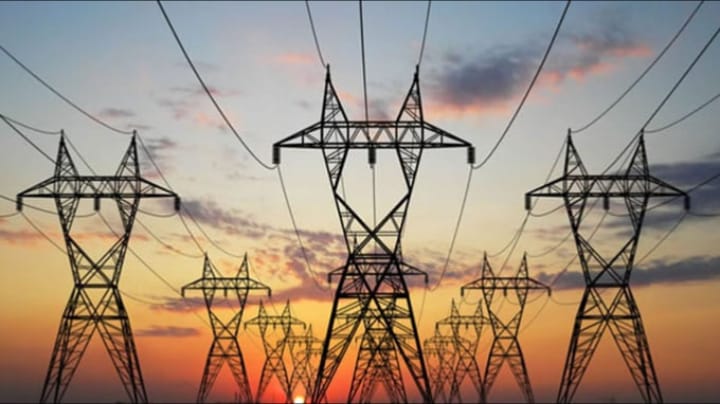
- Chipo Basira
- 21 Apr, 2026

Zimbabwe Marks 115 Days Without Load Shedding as Power Supply Stabilises
Zimbabwe has recorded 115 straight days without load shedding, the Zimbabwe Electricity Transmission and Distribution Company (ZETDC) confirmed.
ZETDC acting managing director Engineer Howard Choga said the milestone was achieved through increased power generation, tariff reforms, regional power imports, and growth in private power projects.
He was speaking at a business conference in Victoria Falls.
Engineer Choga said industry, commerce, agriculture, and households now have enough electricity to support economic activity and national development targets.
He linked the improvement to the Zimbabwe Energy Compact, a policy framework aimed at attracting about US$9 billion in energy investment.
Most of that investment is expected from the private sector.
ZETDC plans to connect about three million new customers by 2030.
This means roughly 300,000 new connections each year, compared with fewer than 50,000 in previous years.
Engineer Choga said the target will require major infrastructure upgrades and investment.
Captive power projects have also helped stabilise supply. More than half of Zimbabwe’s 14 ferrochrome smelters are now over 50 percent complete with their own power plants. Under current agreements, some smelters supply electricity to the grid instead of paying cash.
Engineer Choga said a commodity-linked tariff used between 2012 and 2022 cost Zesa about US$500 million because ferrochrome prices stayed low. Since December 2023, ZETDC has used a near cost-reflective tariff of about 16.07 US cents per kilowatt-hour.
Ferrochrome producers pay a preferential rate of up to 10 US cents per kWh, with 8 cents in cash and the rest in energy.
Membership in the Southern African Power Pool has allowed Zimbabwe to buy electricity from neighbouring countries during peak demand, improving grid stability.
Renewable energy is also contributing.
Rooftop solar and other net-metering systems now add just under 90 megawatts to the grid.
Engineer Choga said small household systems of 5 to 10kVA that export power make a real difference.
ZETDC estimates the sector needs up to US$9 billion in investment by 2030, with US$4.2 billion expected from private investors.
Engineer Choga said the figures are based on projected projects and existing potential.
He noted that challenges remain, including vandalism of infrastructure, unpaid bills, and maintenance backlogs caused by cash flow problems.
He called on stakeholders to support the utility, saying reliable electricity is essential for industrial growth.
The 115 days without load shedding is a major shift for Zimbabwe’s power sector, which has struggled with frequent blackouts in past years.
Leave a Reply
Your email address will not be published. Required fields are marked *
Search
Category